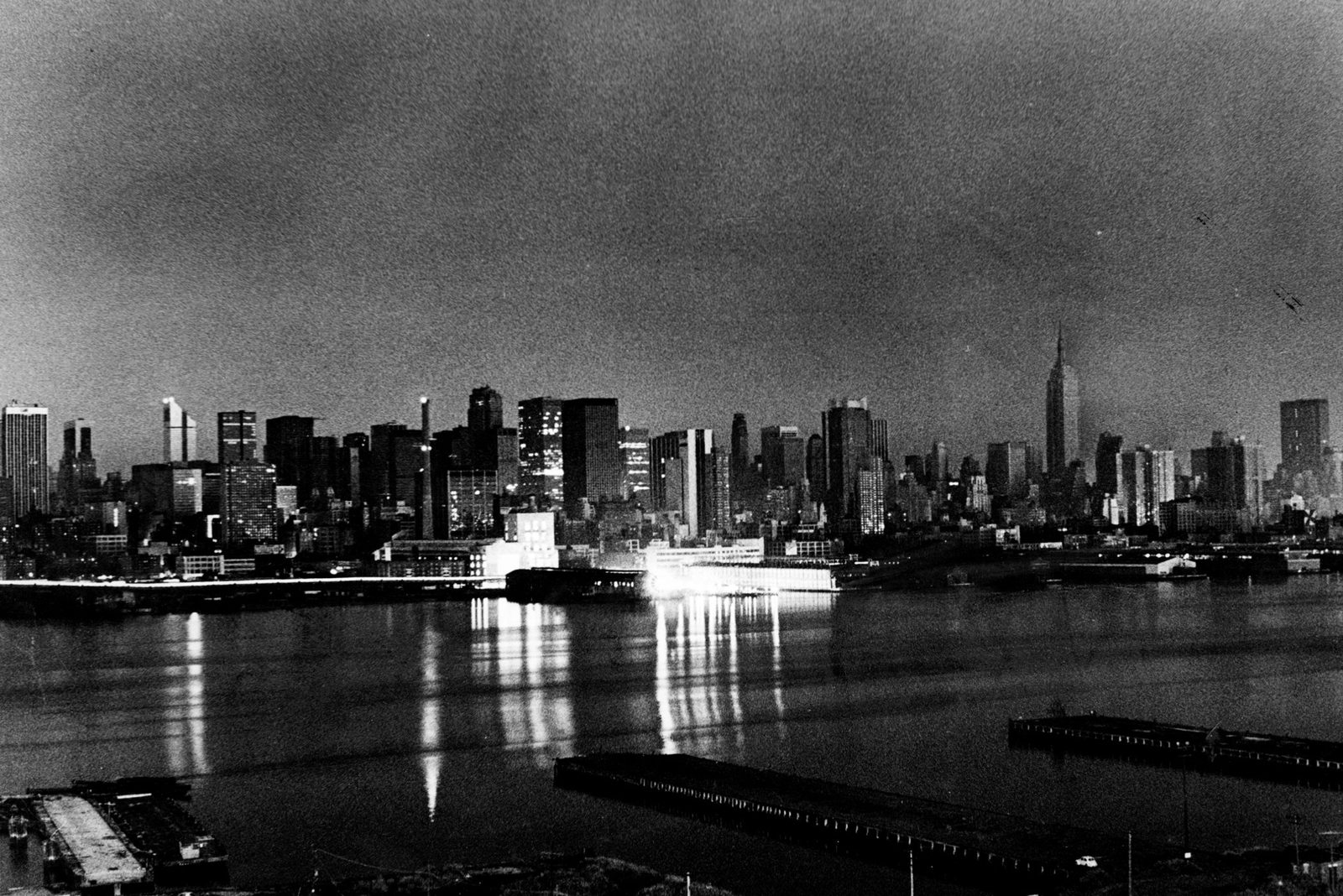
 9 MILLIONpeople are without power
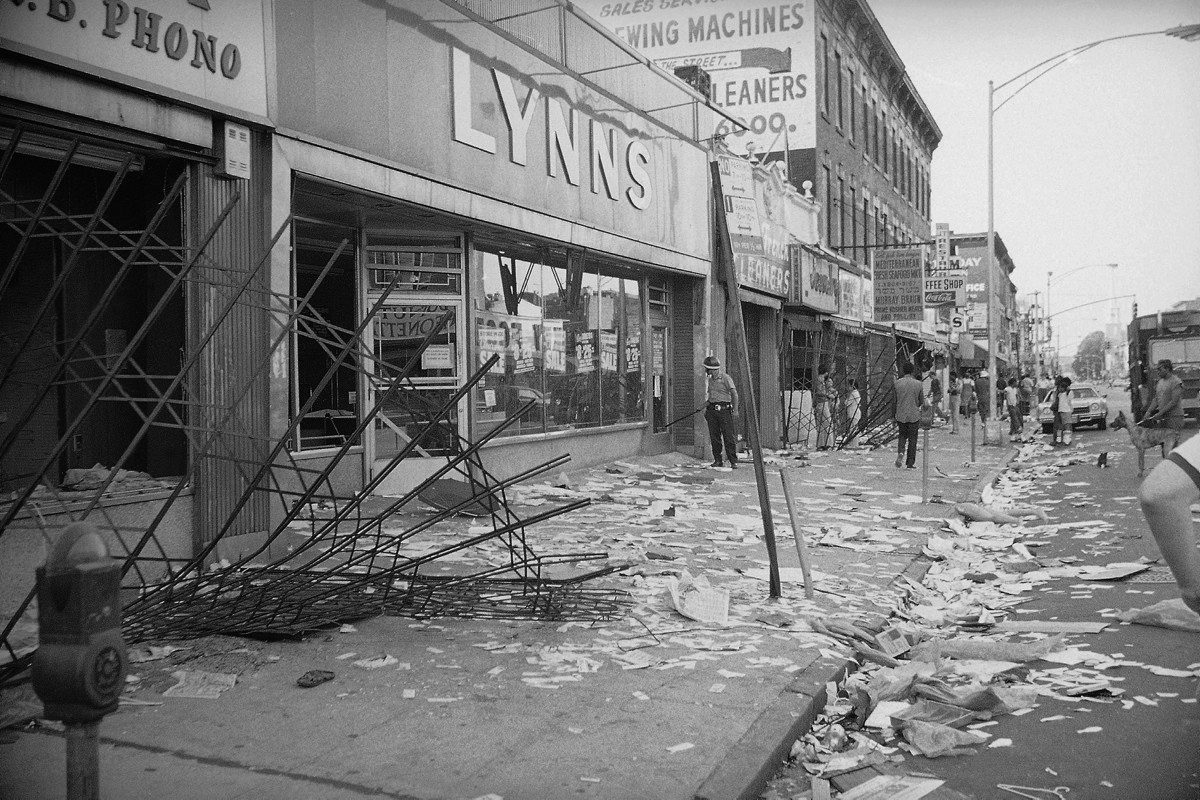
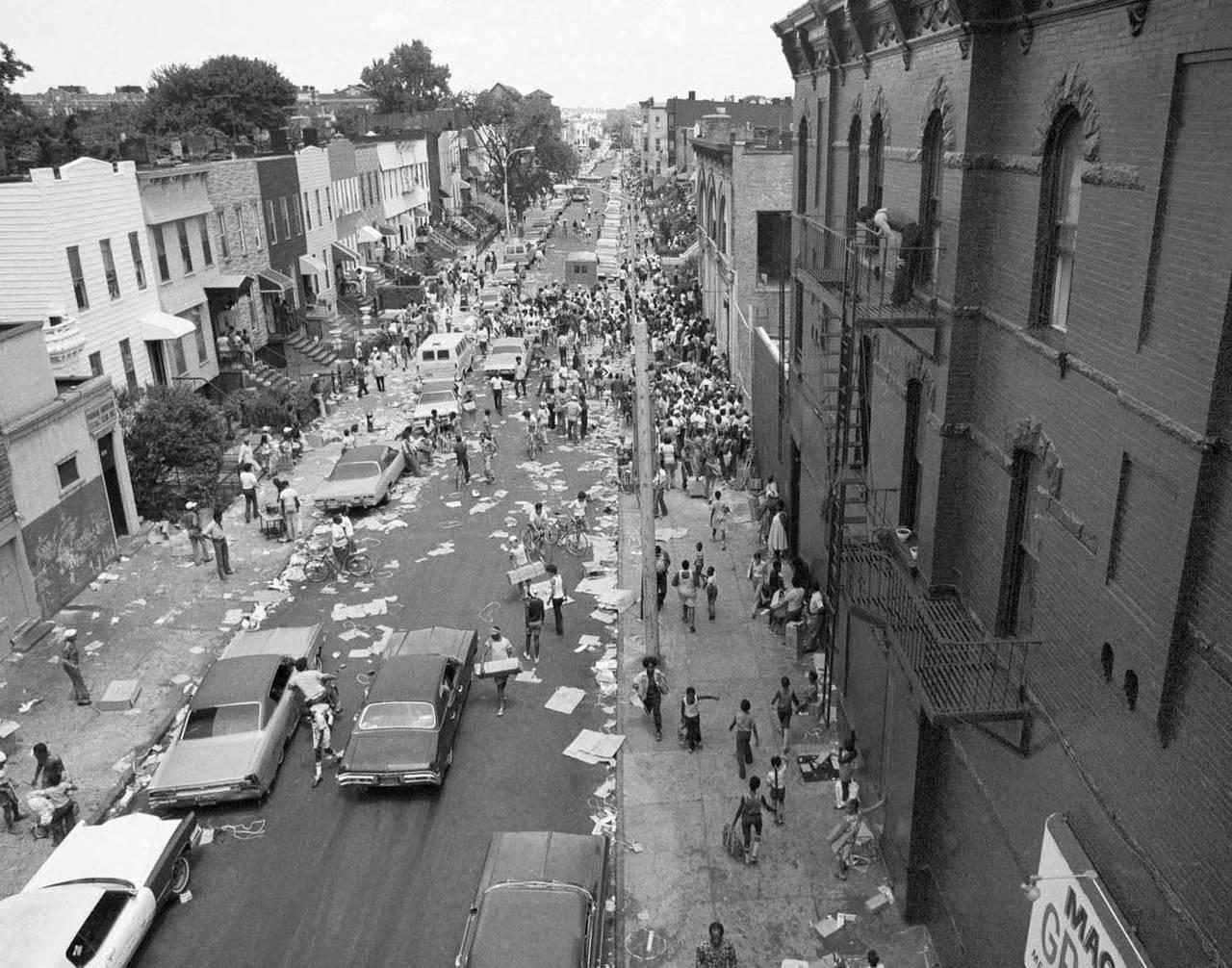 2,931arrestsA normal day has 647.
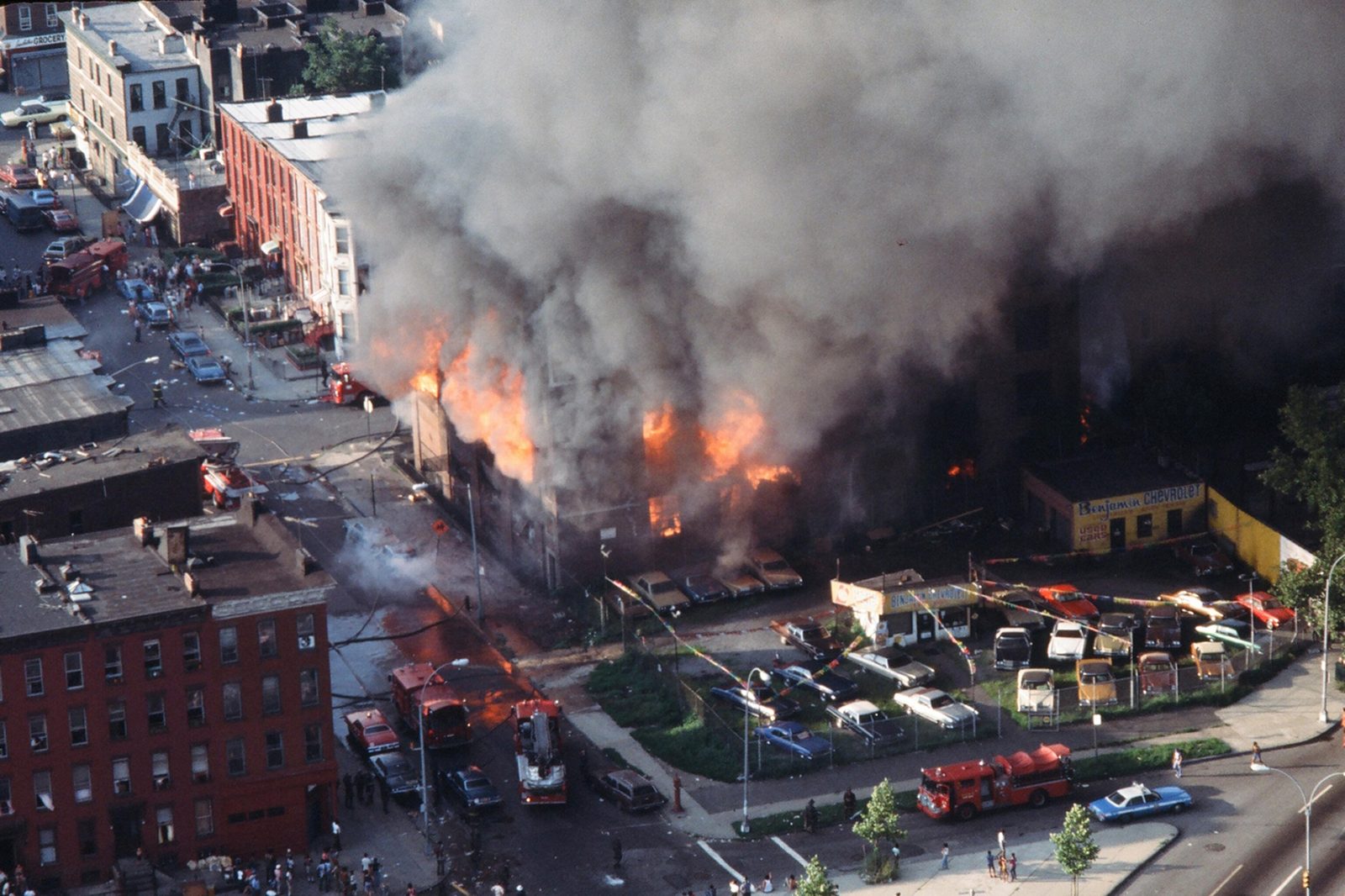
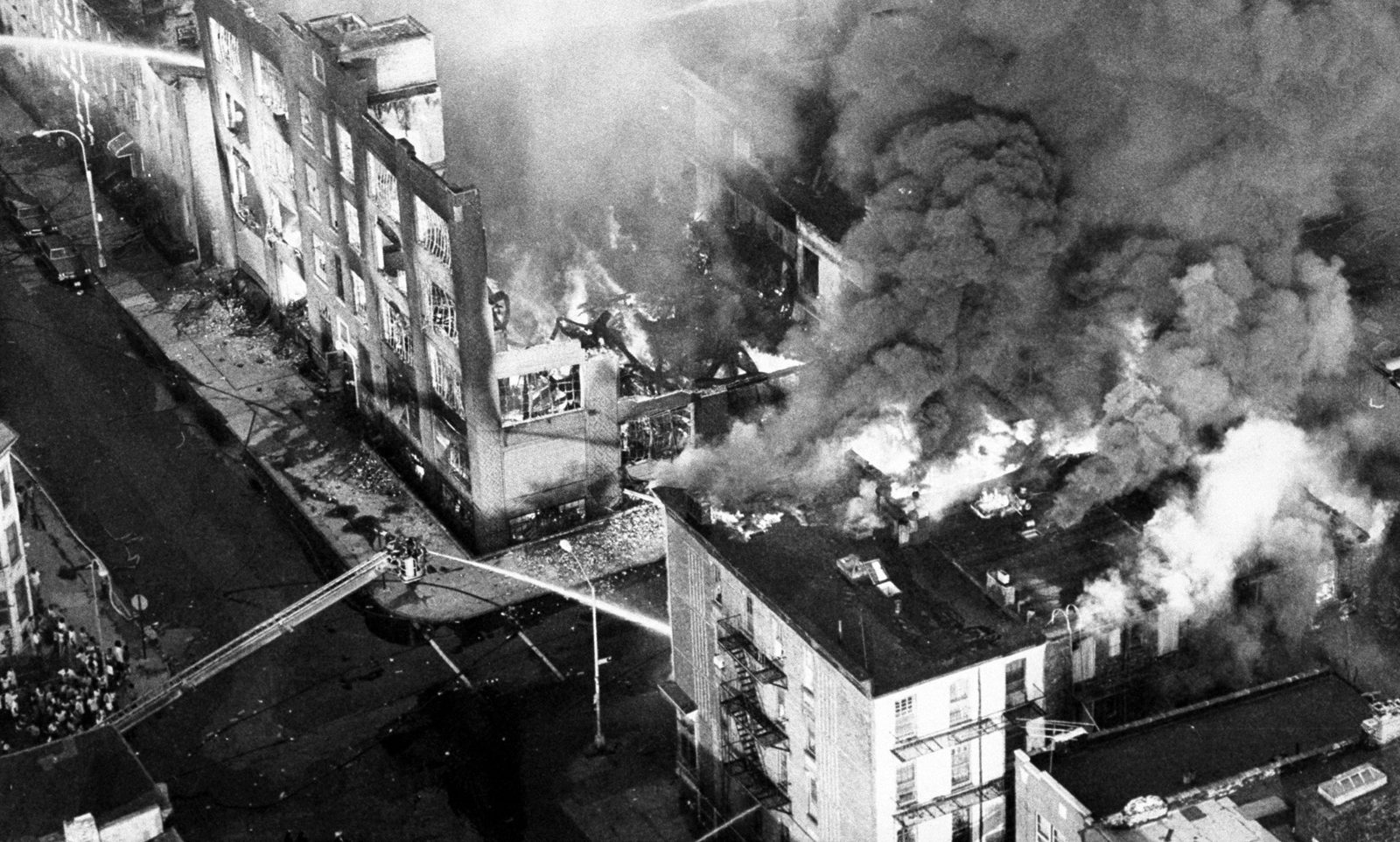 1,037fires, 60 of them majorA normal day has about 350.
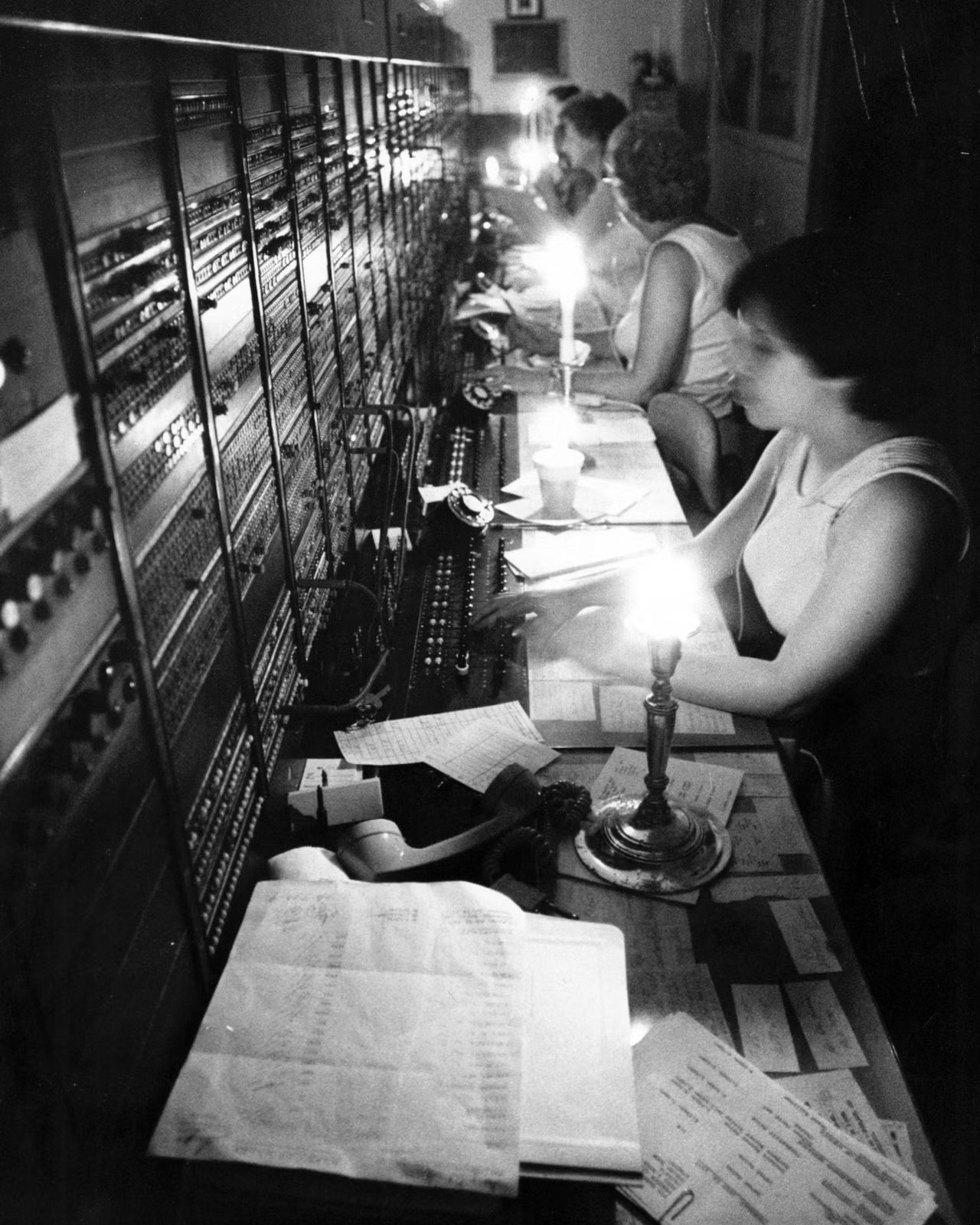 IMAGE / VIDEO
 More control room staff
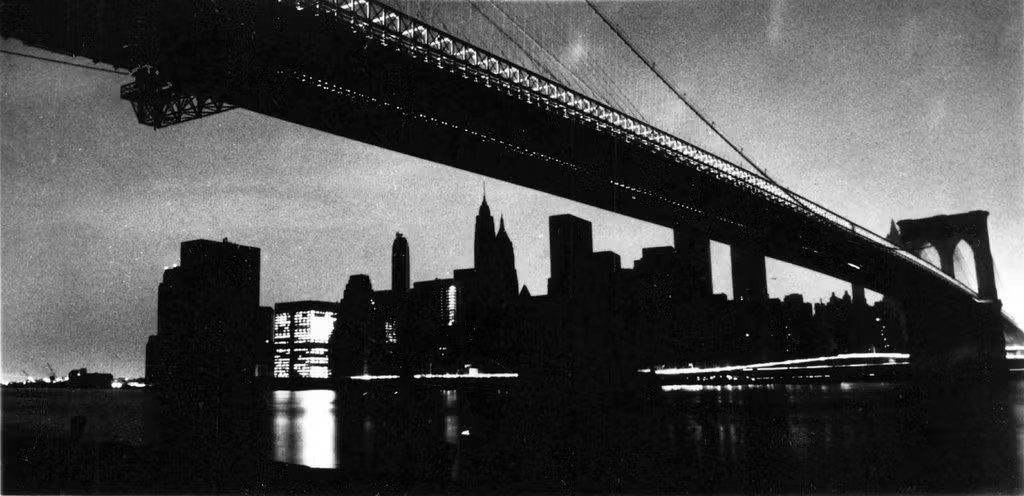 IMAGE / VIDEO
 Improved displays
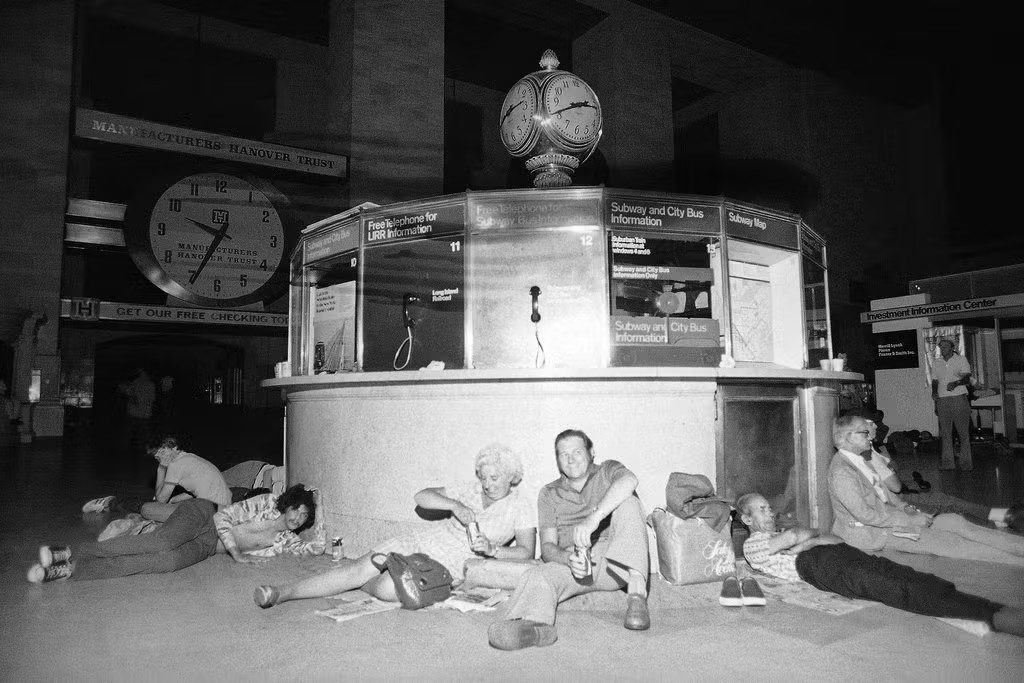 IMAGE / VIDEO
 Simpler load-shedding controls
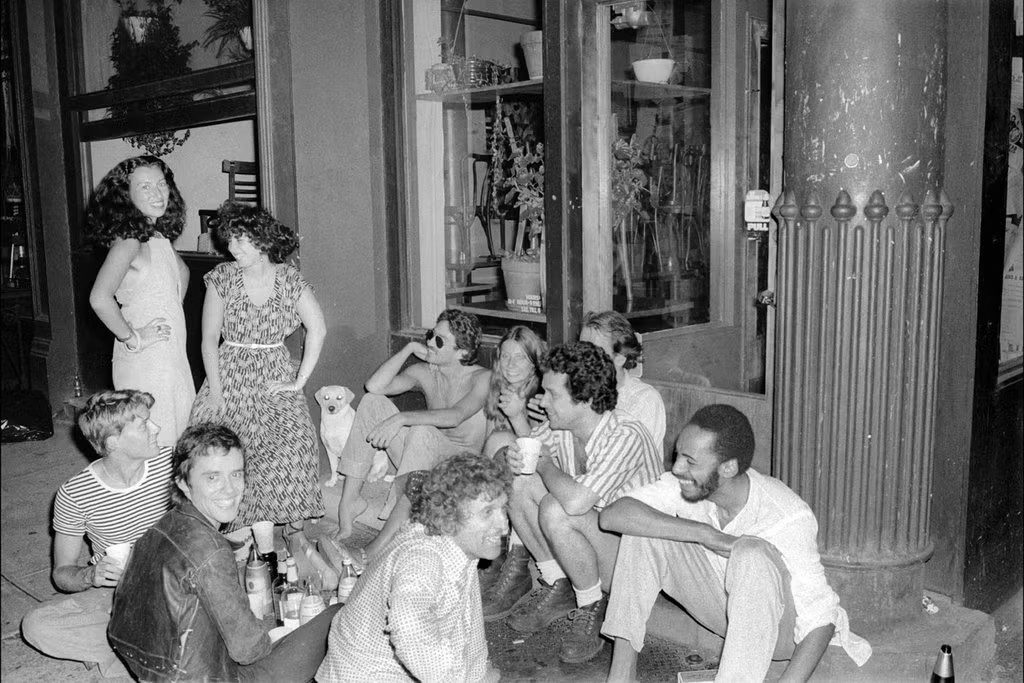 IMAGE / VIDEO
 Automatic load shedding
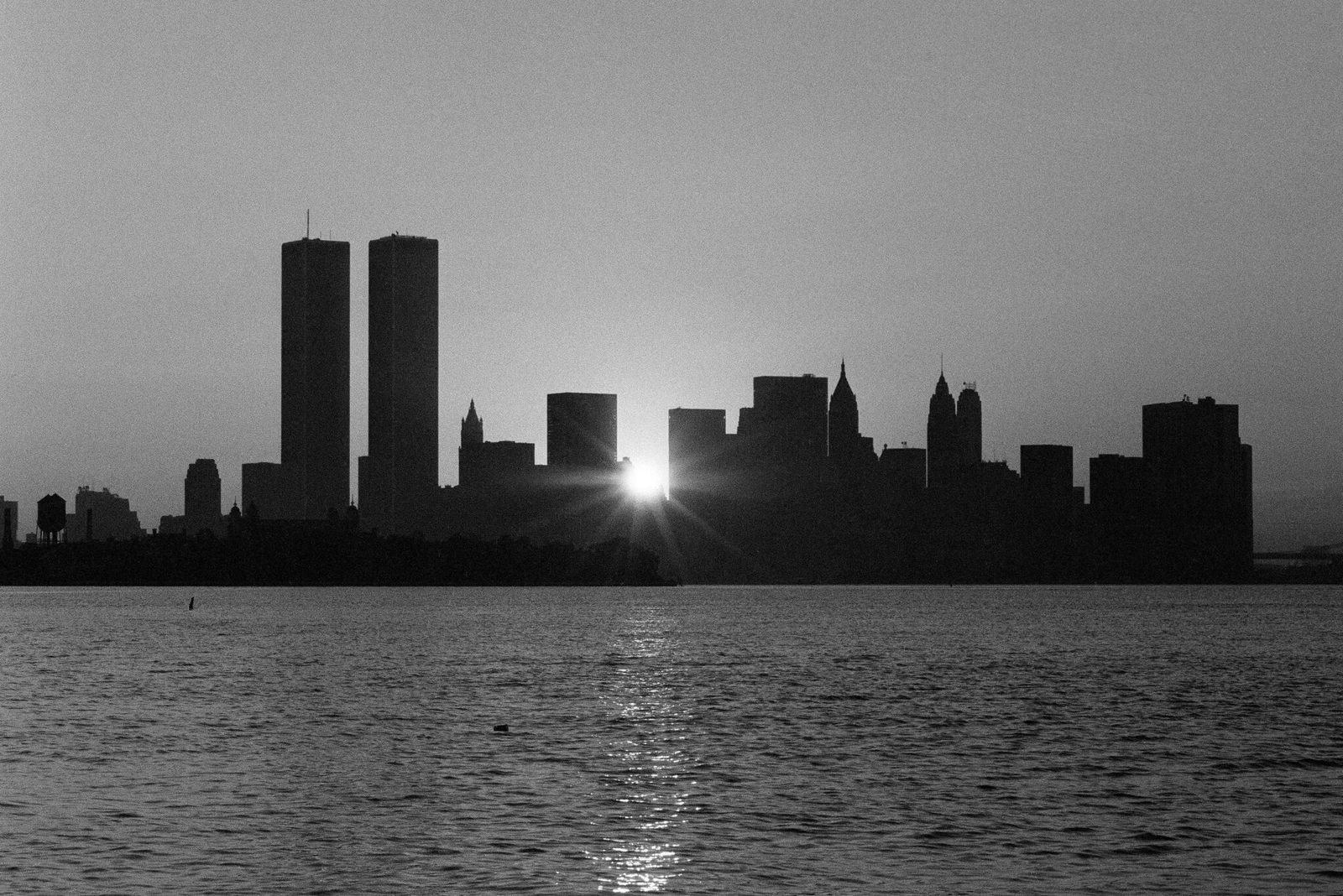 IMAGE / VIDEO
Operating deficiencies, “undue complacency at all levels.” Equipment adequate, though not modern, if used properly.
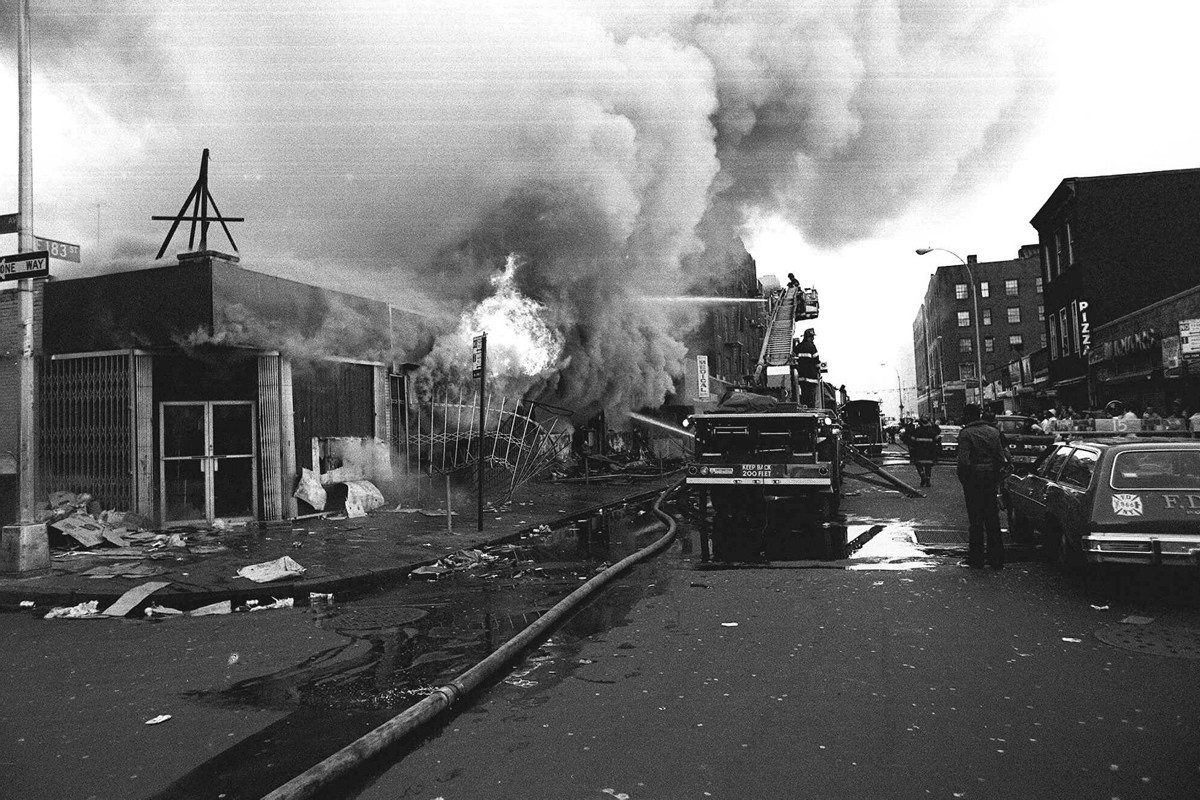 IMAGE / VIDEO
Essential information on the displays in unnecessarily fragmented form.
Lightning hits two lines in Westchester County. The breakers cut them off, as designed.
Then a backup relay, with a timing flaw in its design, concludes the breakers have failed. It trips a third line, the one carrying Indian Point 3’s output. The plant has nowhere to send its power and shuts down.
In one moment the city loses 1,310 megawatts, about a fifth of its supply.
The grid holds. Every line left is working harder.
For the next 23 minutes the lights stay on.
The grid has not collapsed. It is stable, but overloaded. Too much power is squeezing through too few lines, and a line carrying too much overheats and shuts off.
The New York Power Pool can’t cut anyone’s power itself. It can only ask Con Edison. At 8:56 it asks Con Edison to switch off some customers to relieve the overloaded lines. At 8:59 it asks again, for about 400 megawatts’ worth, warning that everything could be lost.
In the control room, the system operator takes the calls.
In the record, none were switched off.
One line matters here. Y94 is a 345,000-volt line that feeds the city from the west. Before 8:56 it carried 1,044 megawatts, about a sixth of the power the city was using.
At 8:55:53 it was cut off at Buchanan North. It has carried nothing since.
At about 9:08 the system operator’s supervisor calls from home and asks if Y94 is in service. The operator says yes. The supervisor asks how much power it is carrying.
Zero. The operator says the board shows it balanced. The supervisor says something must be out up there.
In fact, Y94 has been disconnected for twelve minutes. A switch at Buchanan North broke the circuit, so nothing can flow. The federal staff report says it is apparent the operator “was not aware” the line was disconnected. The tapes suggest he assumed it was connected but carrying nothing.
At 9:09 the New York Power Pool tells Con Edison to lower its voltage. It can give orders, but it cannot touch Con Edison’s equipment. The system operator does not act. About four minutes later his supervisor tells him again, and only then does he begin. The cut takes five minutes to carry out.
The lines still feeding the city are carrying about 1,200 megawatts more than they can safely hold. Lowering voltage sends every customer slightly weaker power, so lights dim a little and nobody is switched off. It cuts Con Edison’s demand by about 5 percent, which takes about 150 megawatts off the lines. That is one eighth of what they need.
The federal staff report says the cut was too small and too late. Even if it had started at once, it would not have been enough.
At about 9:18 the supervisor is still trying to work out whether Y94 is running. On a recorded call he says he was wondering if
Then the system operator, on the same tape:
At 9:18 the Manhattan and Bronx district operator starts a further 8 percent cut. The lines are still carrying too much.
In about two minutes, four connections to the city fail. In those same two minutes, the control room tries to switch off customers to relieve the lines, and cannot.
9:19:11. The line from Leeds, upstate, shuts off. Overheated by the overload, its wires sag into a tree. 9:19:53. A transformer at Pleasant Valley fails. Within a minute, Line 80 follows.
About 9:20. The pool asks Con Edison to switch off customers at once. The supervisor orders it. The operator tries. The staff report says he may have used a master switch in the wrong position. The record shows no customers switched off.
About 9:21. Long Island’s operator, with the pool’s agreement, cuts the link between his system and the city, to protect his own. That cuts off another source of power. The New Jersey line is now the last big line in, carrying far more than it can safely hold.
9:22. The pool asks again, for more. The attempts to switch off customers fail to register. 9:22:47. An attempt to restore a northern line fails.
To switch off customers, the system operator had to press about thirty separate keys, the buttons on his control console.
After the blackout, Con Edison cut that to three.
At 9:29:41 the New Jersey line shuts off. A device that slows power flow on it fails under the load. The last two lines in follow a moment later.
Nothing comes in from outside the city.
The city needs 5,981 megawatts. Its own plants produce 4,282. It is short by more than a quarter, with no connection to anyone.
The grid’s frequency, the steady rhythm all the equipment depends on, begins to fall. Automatic relays cut off customers on their own to slow the fall.
Seconds after the last line goes, a large generator, Ravenswood 3, shuts off.
Low frequency starves the plants’ own pumps and fans. One generating unit after another shuts off, until none are left.
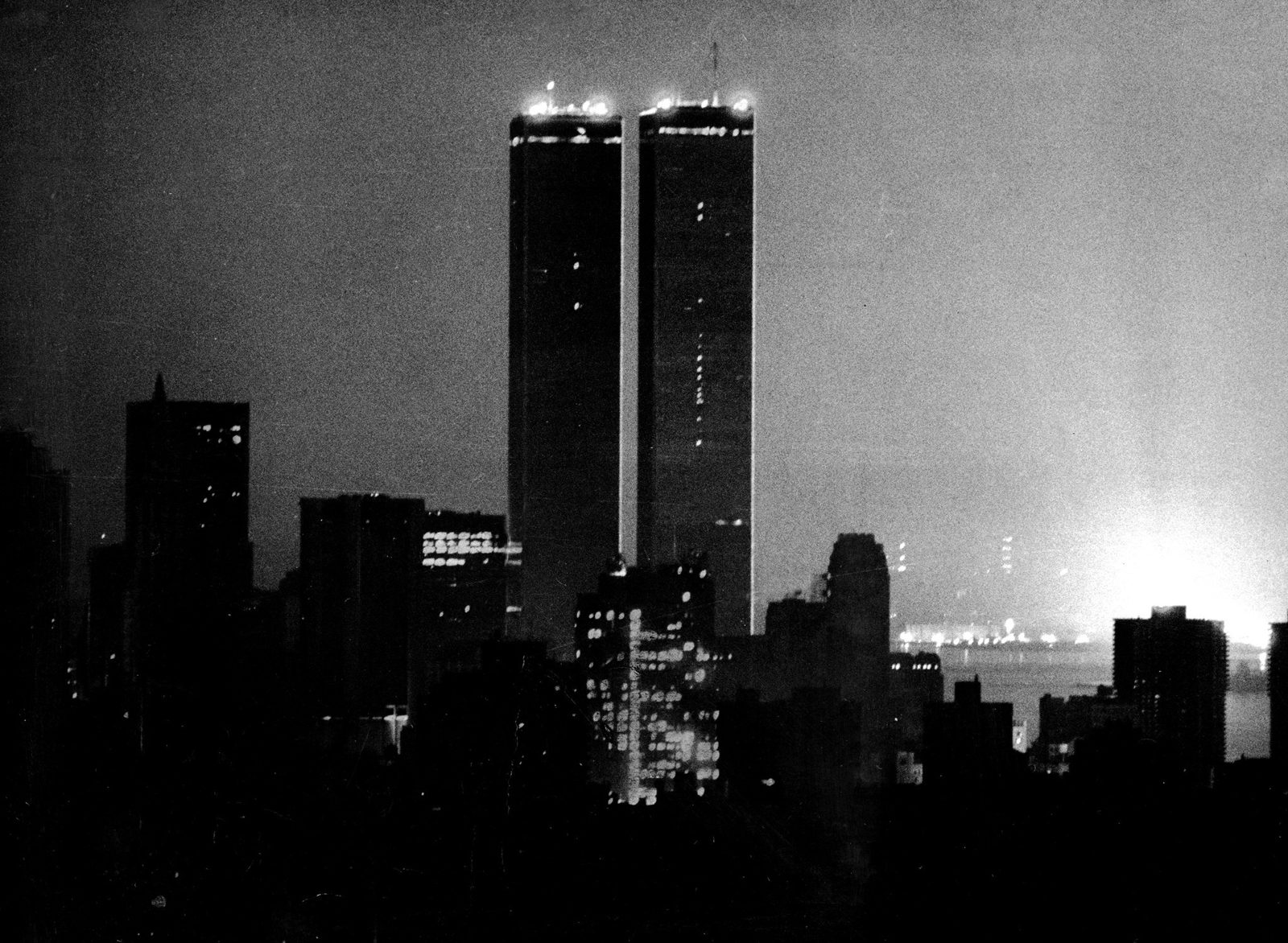
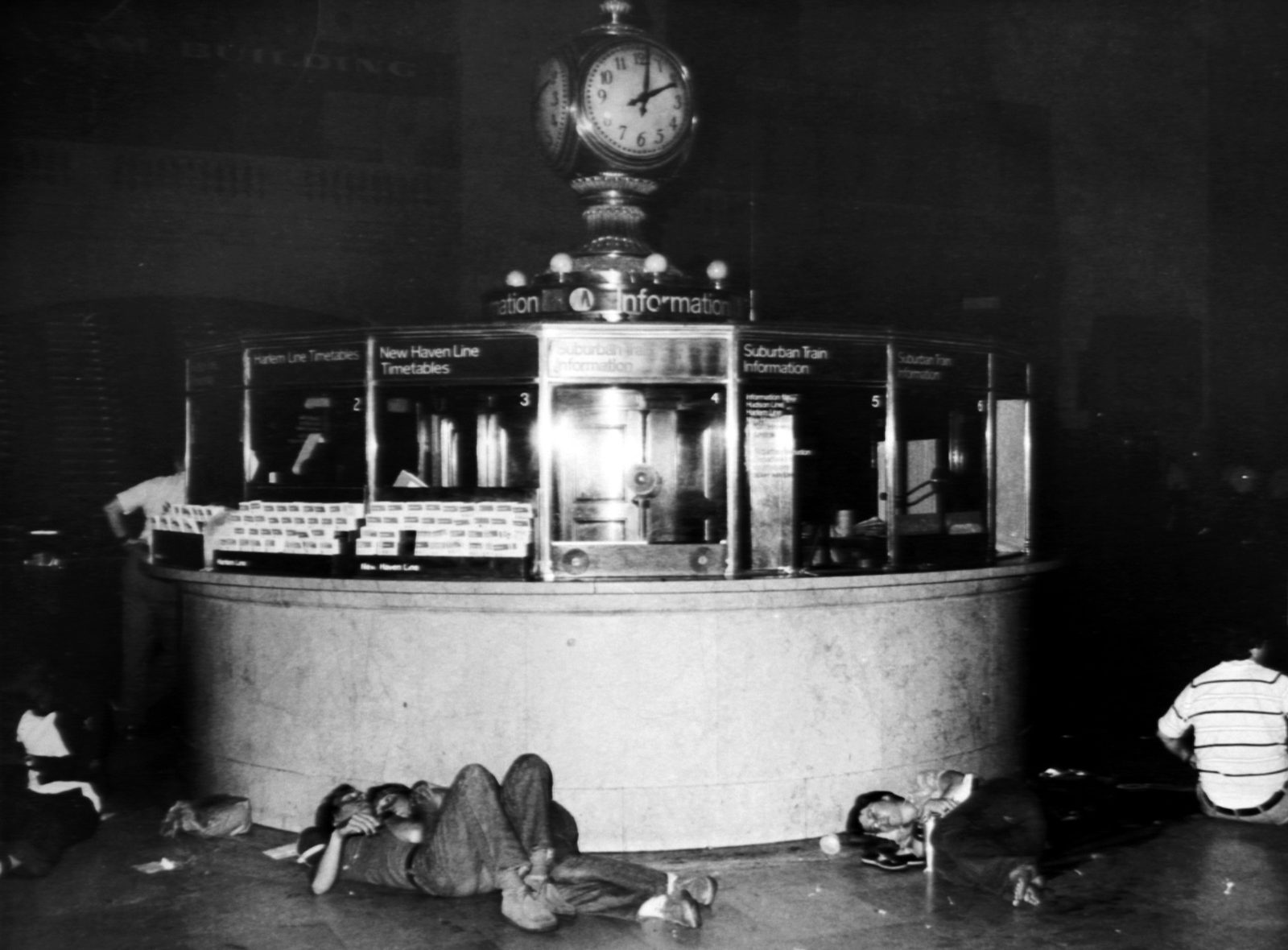
By 9:36 the Con Edison system is completely down. Restoration will take 25 hours and 46 minutes.
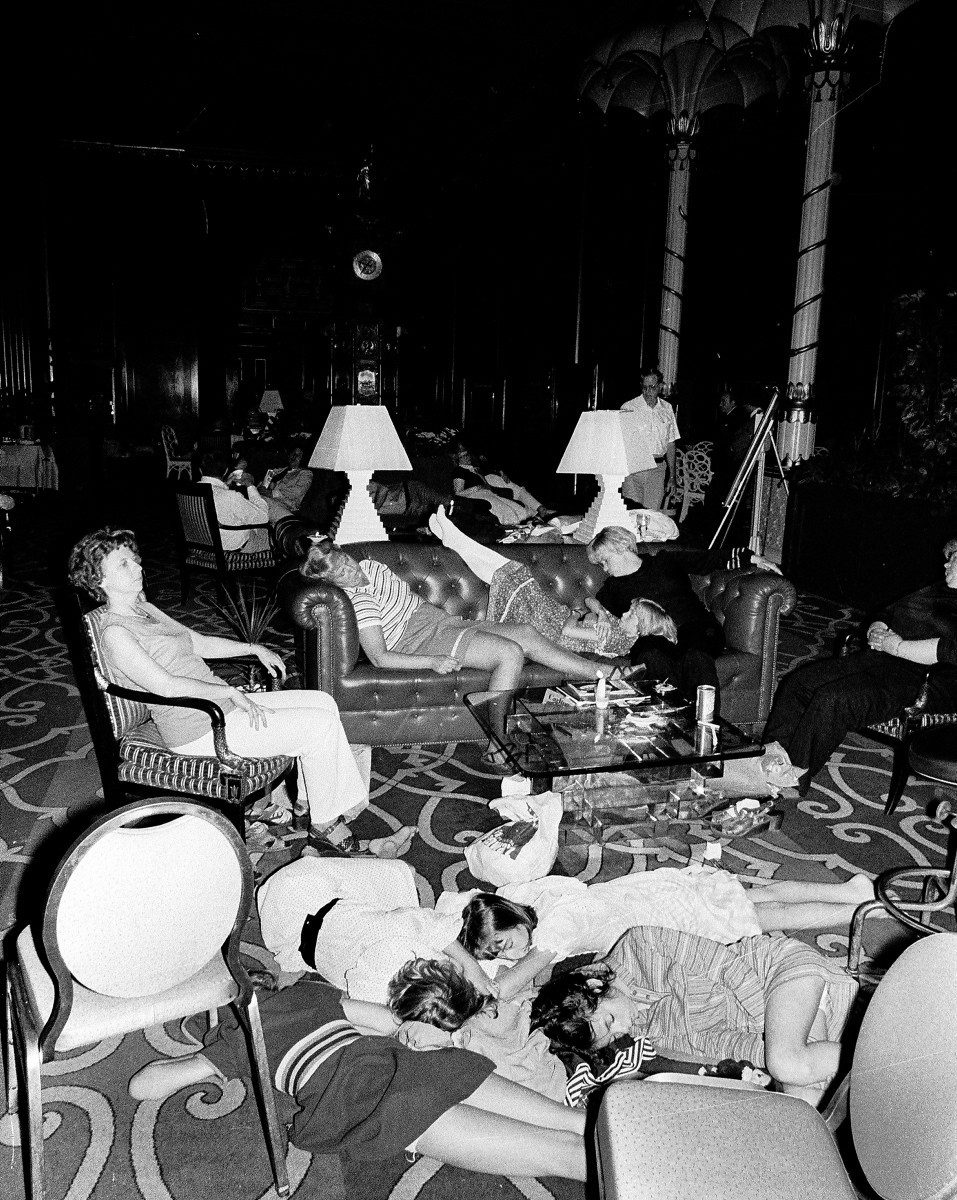
9 million people without power. 2,931 arrests. A normal day has 647. 1,037 fires, 60 of them major. A normal day has about 350.
Con Edison’s response, per the federal report, included more control room staff, improved displays, simpler controls for switching off customers, and automatic switch-offs when power runs short.
Two reviews of the same night. The federal staff investigation found operating deficiencies and “undue complacency at all levels.” It found the control room’s equipment adequate, though not modern, had it been used properly.
A human-factors review in the report’s appendix, by Colmen, found that essential information appeared on the operators’ displays in unnecessarily fragmented form.
The power goes where it can. Two of the lines still connected, Line 80, which carries power in from upstate, and the line from New Jersey, are pushed past even their emergency limits.
Con Edison’s own operating procedure says a line this overloaded must be relieved within five minutes, or the equipment can be damaged.
Eighteen minutes later lightning hits again. More lines are cut off, including Y94, one of the lines that feeds the city from the west.